
Chiayi
Alishan 阿里山
Often fragrant and softly textured. With a lightly oxidized Alishan tea, look for a fresh floral aroma and a sweet finish.
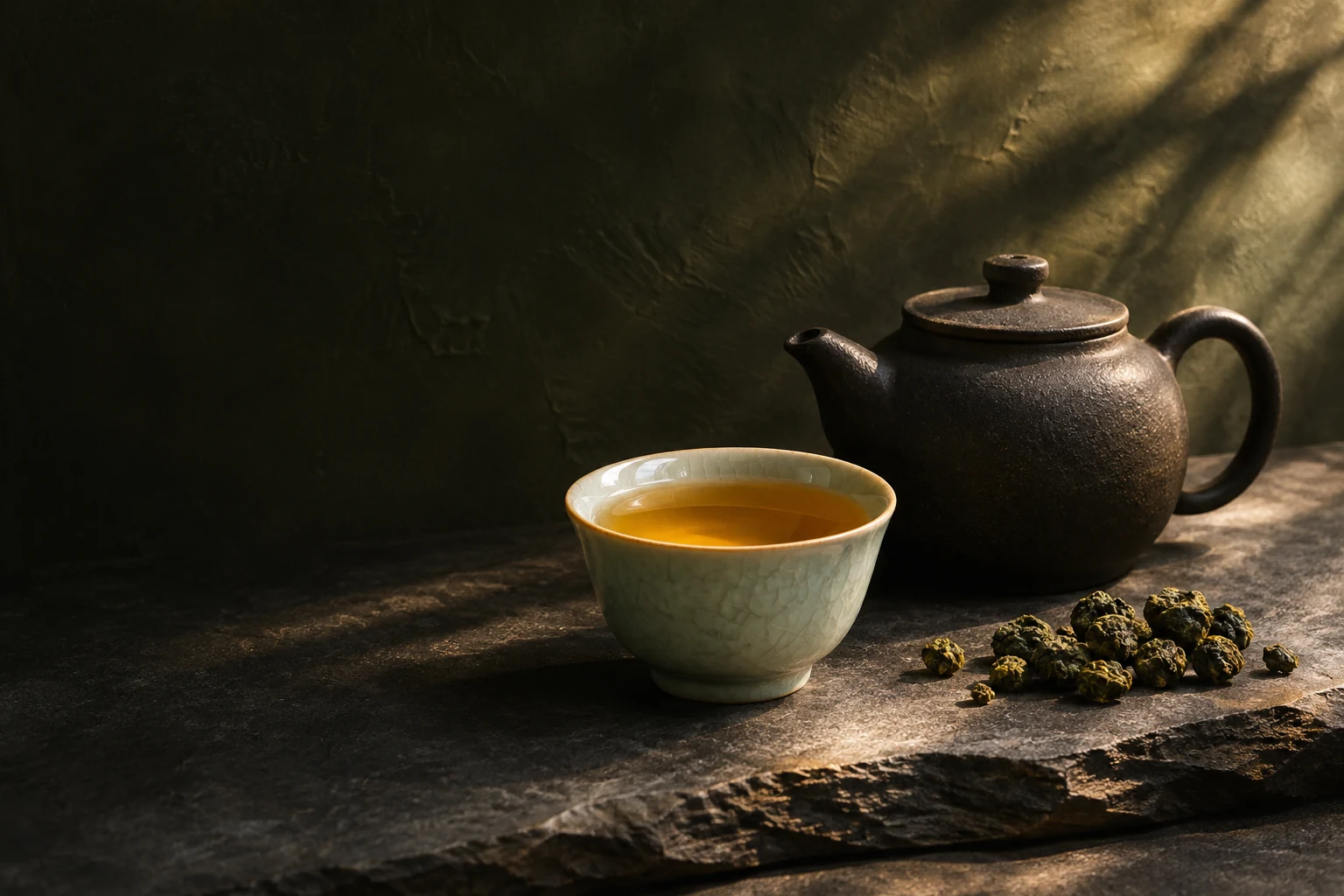
High-mountain oolong is where we begin. Discover the regions, the makers’ craft, and the flavours that emerge with each pour.
Request a sampleTaiwanese high-mountain oolong
A lightly oxidized Alishan oolong can open with a floral aroma and a soft, rounded texture. Brew those same leaves again and a lingering sweetness may become more apparent.
Cool, misty mountain gardens are part of the story. In Taiwan’s high-mountain tradition, makers also wither and gently turn the leaves to guide oxidation, then roll them into tight pearls. The leaves unfurl over successive infusions, giving you a chance to notice what changes from one cup to the next.
Explore the tea regions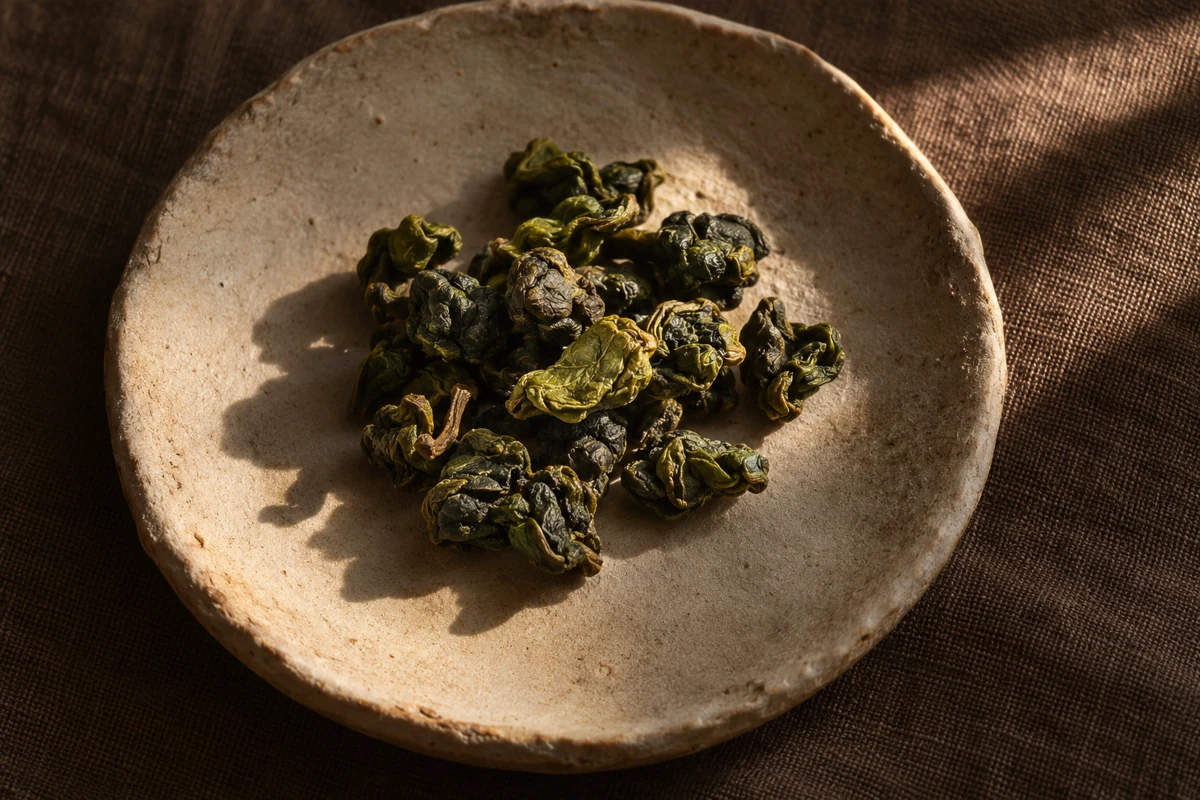
A guide to origin
These three regions are a starting point for exploring high-mountain oolong. Cultivar, harvest and the maker’s choices can all change what you taste, even within the same region.
Chiayi
Often fragrant and softly textured. With a lightly oxidized Alishan tea, look for a fresh floral aroma and a sweet finish.
Nantou
Grown in a cool, forested mountain area. Its clean, fragrant style is worth tasting side by side with a softer Alishan oolong.
Taichung
Known for a bright, fresh aroma. Some harvests suggest ripe peach, with a sweetness that lingers after the sip.
Taiwan’s tea traditions range from the warm roast of Dong Ding oolong and the honeyed character of Oriental Beauty to the island’s distinctive black teas. Our first selection is still taking shape.
Further reading Taiwan’s Tea and Beverage Research Station Taiwan Agriculture Tourism
We’re choosing the teas for our first release. Tell us what you’d like to try and where you’re based. We’ll be in touch when we can confirm sample availability.
Email a sample requestOpens your email app.